Compare Barbells
Every listing in this category, priced via Amazon. No logins, no sponsors.
Equipment guide
The barbell is the one piece of equipment nearly every home gym build starts with. Which one you need depends less on brand and more on shaft diameter, whipiness, and knurling, all of which change how a bar feels under a heavy squat versus a fast clean.
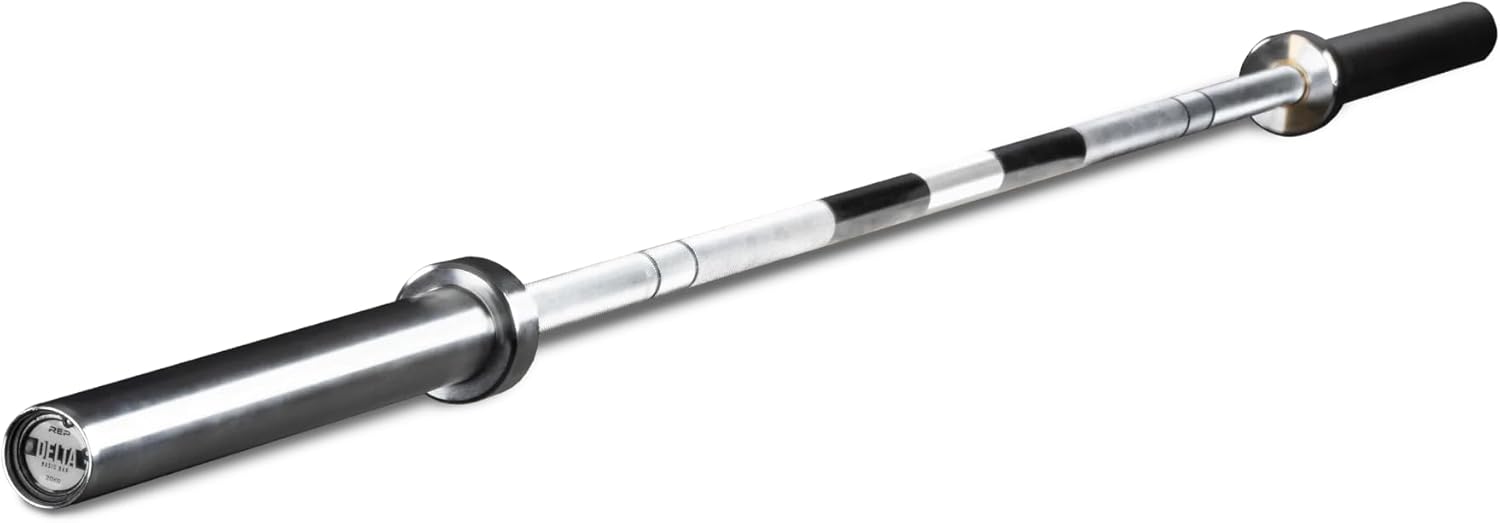
Shaft diameter is the first thing to match to your training style: a 28mm-to-29mm bar (common on general-purpose training bars) is a comfortable middle ground for squats, bench, and deadlifts. Specialty bars run thicker or thinner depending on what they're built for.
Standard vs. Olympic sizing determines every plate you can ever use with it. Olympic bars take 2-inch bore plates and are the standard for serious lifting; Standard 1-inch bars are lighter-duty and limit you to cheaper, lower-capacity plates. If you plan to add weight over time, an Olympic bar avoids having to replace your whole plate collection later.
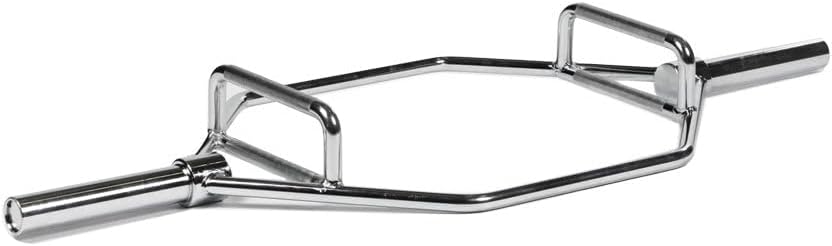
Specialty bars solve specific problems: an EZ curl bar reduces wrist strain on curls and skull crushers, a trap (hex) bar lets you deadlift and shrug with a more upright torso and less lower-back shear, and a Swiss (multi-grip) bar gives shoulder-friendly neutral-grip pressing. None of these replace a straight bar for squats or a conventional deadlift, but they're worth adding once your straight bar is covered.
Every listing in this category, priced via Amazon. No logins, no sponsors.
Standard bars use 1-inch sleeves and are typically lighter-duty and cheaper; Olympic bars use 2-inch sleeves, handle higher weight capacities, and are compatible with the vast majority of plates sold for serious lifting. Olympic is the safer long-term choice if you plan to add weight over time.
Not strictly, but a trap bar lets you deadlift and shrug with a more upright, lower-back-friendly position, which some lifters prefer for accessory or high-volume pulling work. It's a common second-bar addition rather than a straight-bar replacement.
It depends entirely on the bar; budget bars are often rated in the 300 to 500 lb range, while performance and Olympic training bars are commonly rated 600 lbs and up. Check the manufacturer's stated capacity against your eventual working max, not just your current one.
Nobody pays to be listed higher here. Some links are affiliate links, and we may earn a small commission if you buy, at no extra cost to you — that's what keeps this free.