Compare Benches
Every listing in this category, priced via Amazon. No logins, no sponsors.
Equipment guide
A bench looks like the simplest item on this list, but the wrong one will flex under a heavy bench press or wobble on incline settings, which matters more for safety than almost anything else on a barbell-based build.
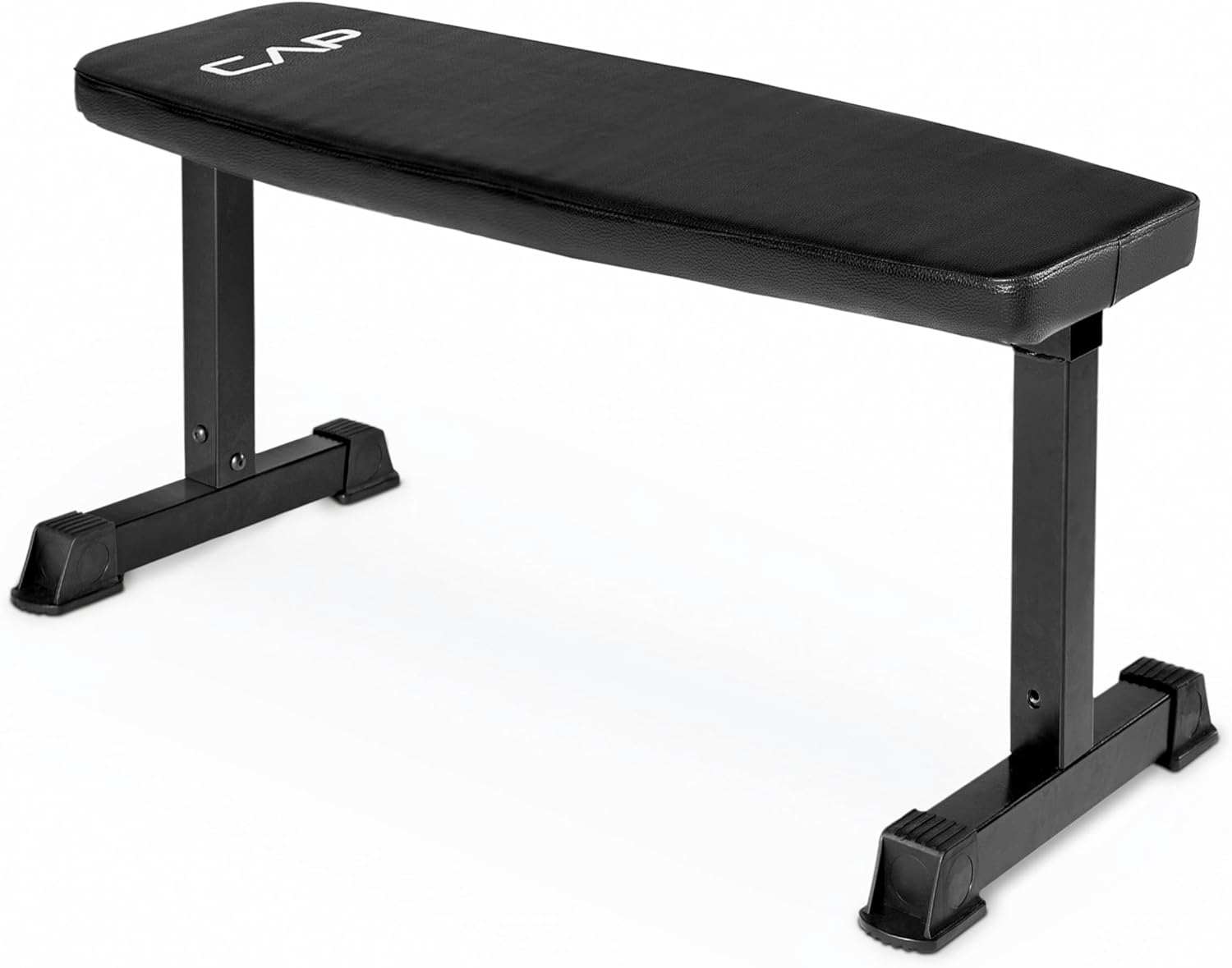
Flat benches are stiffer, cheaper, and lower to the ground, which is exactly what a heavy bench press needs: minimal flex and a stable base under load. If bench pressing under a rack is a priority, a dedicated flat bench is usually the better choice over an adjustable one.
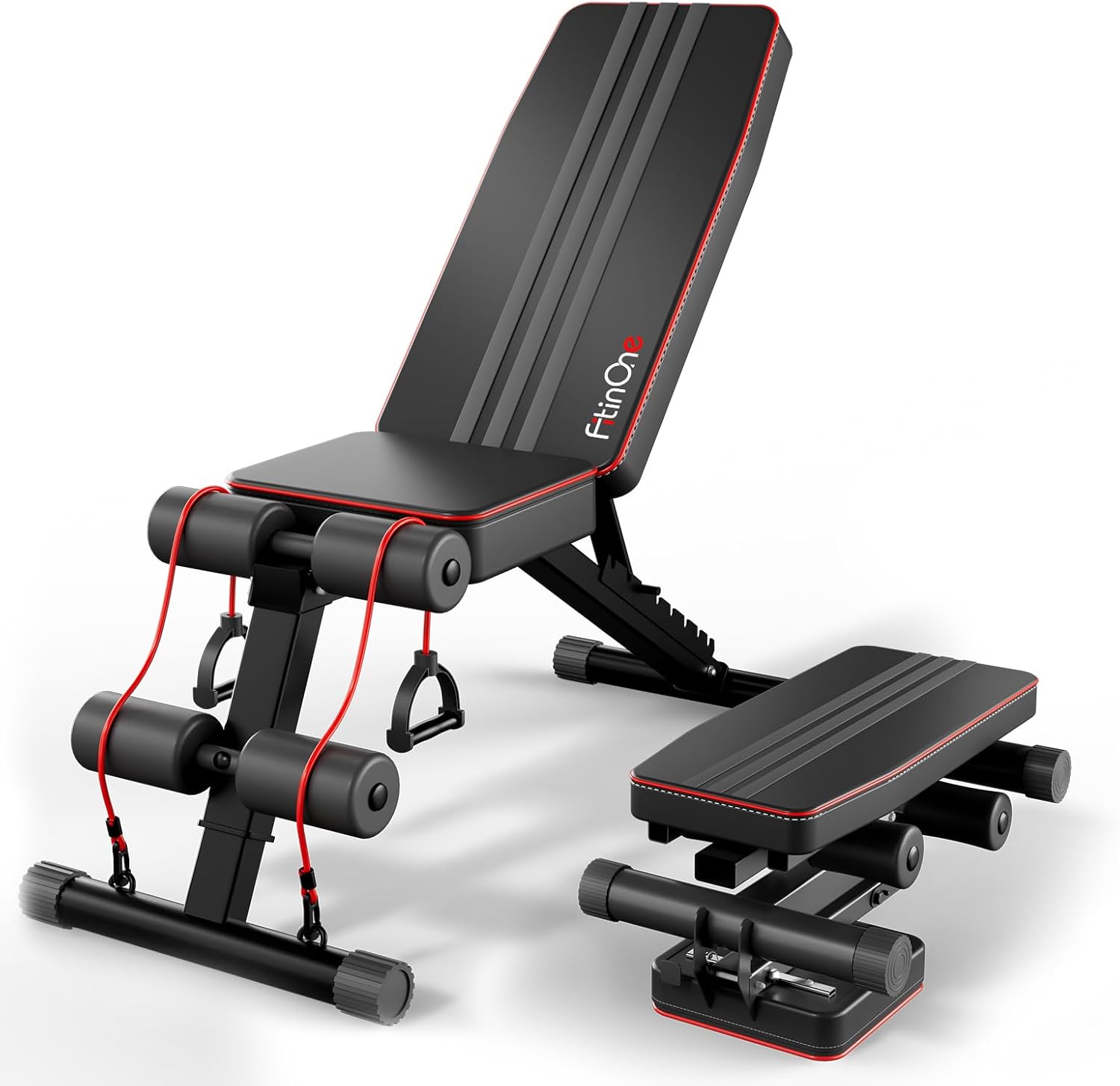
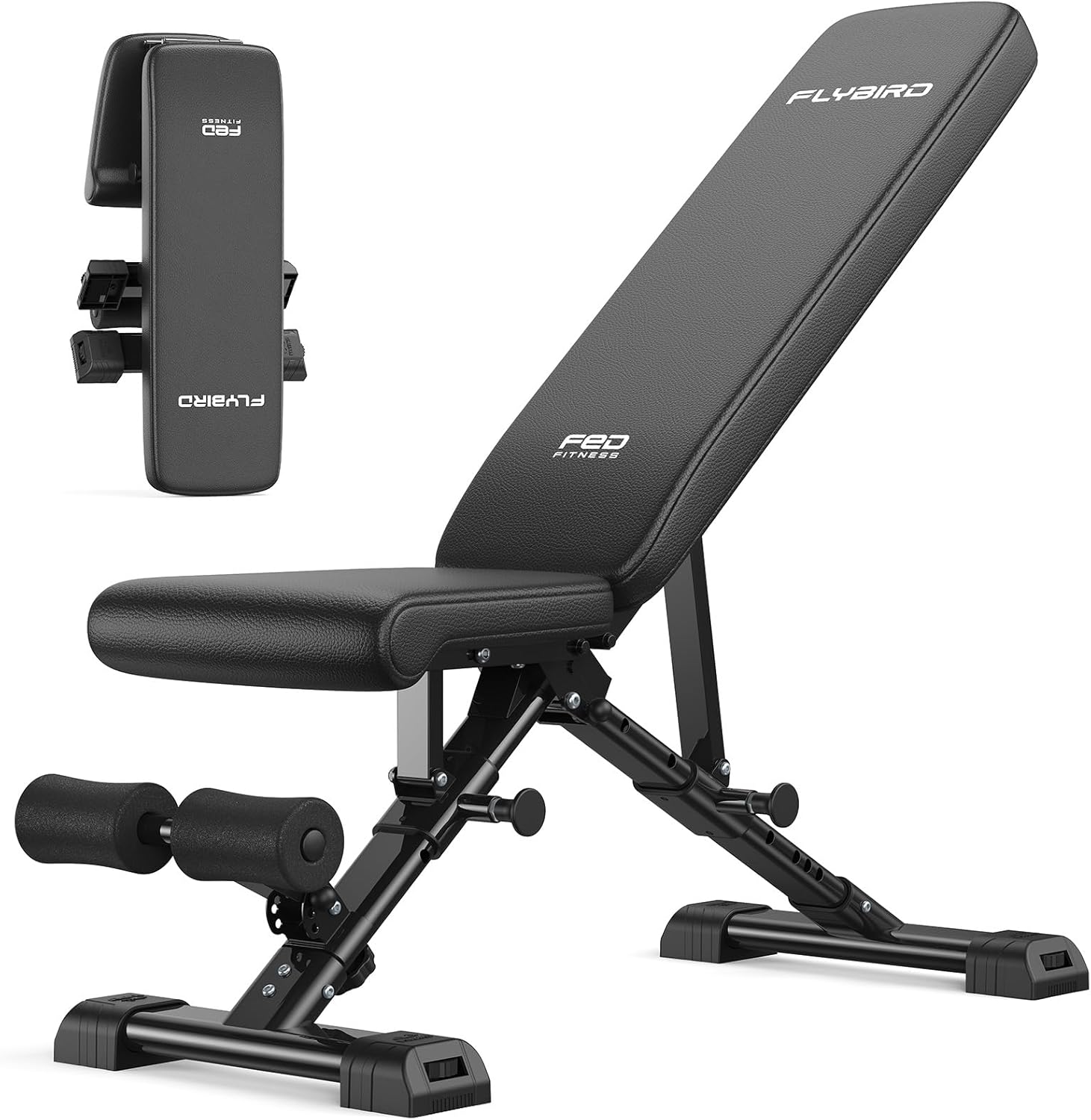
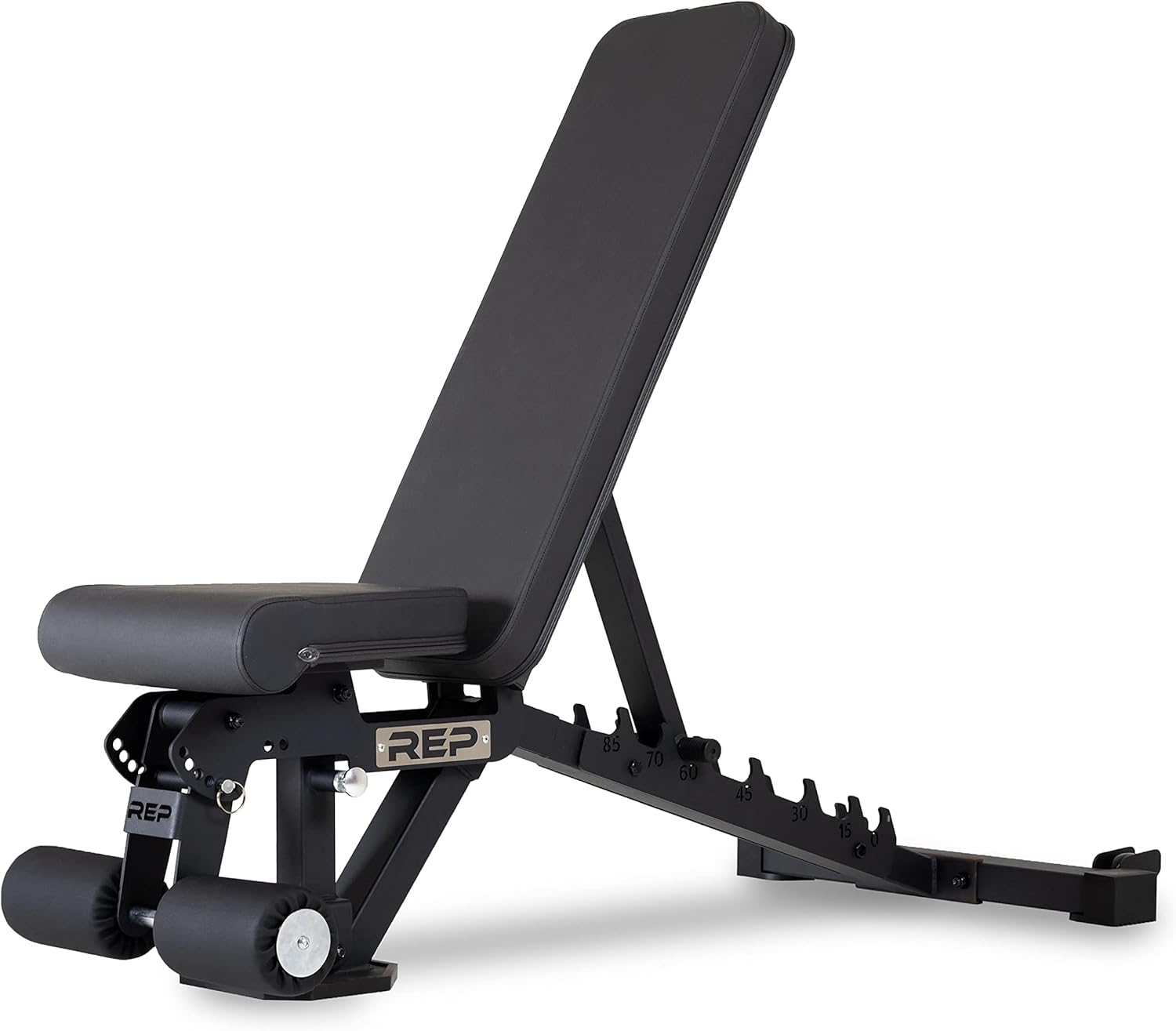
Adjustable benches trade some of that rigidity for incline, decline, and seated positions, which matters far more for bodybuilding-style training that hits a muscle from multiple angles. Look for a weight rating that accounts for the bar and plates on top of your own bodyweight, not just your bodyweight alone.
Frame stability under the pads is the detail that's easy to miss in photos: a bench with a narrow base or thin tubing can rock side to side under an off-center load, which is a bigger issue during heavy dumbbell presses than barbell work where the bar is fixed.
Every listing in this category, priced via Amazon. No logins, no sponsors.
A flat bench is stiffer and better suited to heavy barbell bench pressing. An adjustable bench is worth it if you want incline, decline, or seated positions for hypertrophy-style training that targets a muscle from several angles.
Check that the rating comfortably covers your bodyweight plus the bar and plates you'll be pressing, not just your bodyweight alone. Manufacturers usually list a maximum user or total load weight in the spec sheet.
It can, especially thinner-gauge adjustable benches. If heavy barbell pressing is your priority, a stiffer flat bench (or a higher-rated adjustable model) is the safer choice over the cheapest adjustable option available.
Nobody pays to be listed higher here. Some links are affiliate links, and we may earn a small commission if you buy, at no extra cost to you — that's what keeps this free.