Equipment guide
Plates are the piece of equipment where bore size mistakes are the most expensive to fix, since your whole plate collection has to match your barbell. Beyond that, the choice mostly comes down to bumper versus iron, and how much precision and durability you actually need.
Bore size has to match your bar: 2-inch bumper and Olympic iron plates only fit Olympic (2-inch sleeve) barbells, while 1-inch plates only fit Standard bars. This is worth confirming before ordering, since it's the single most common return reason for plates.
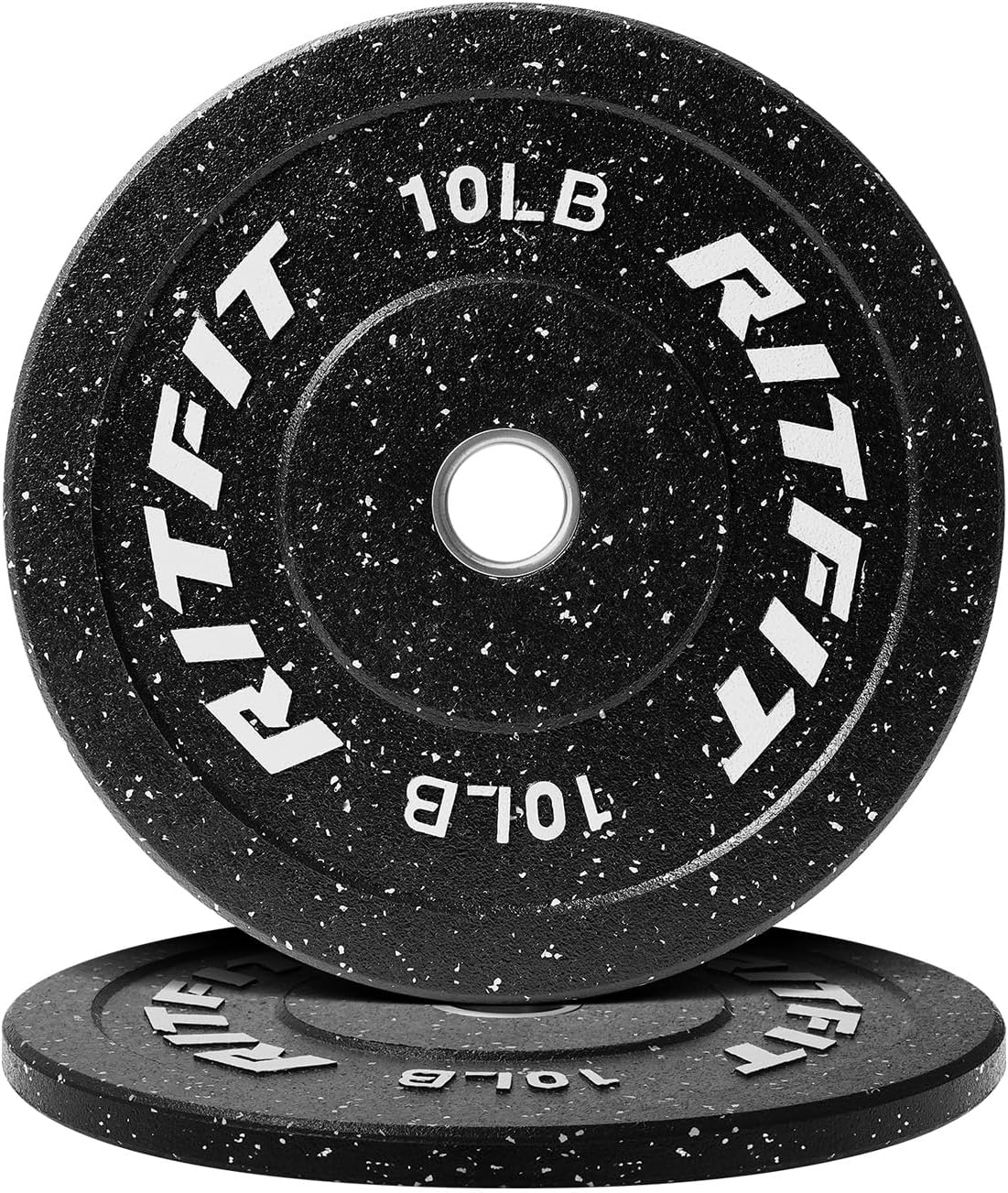
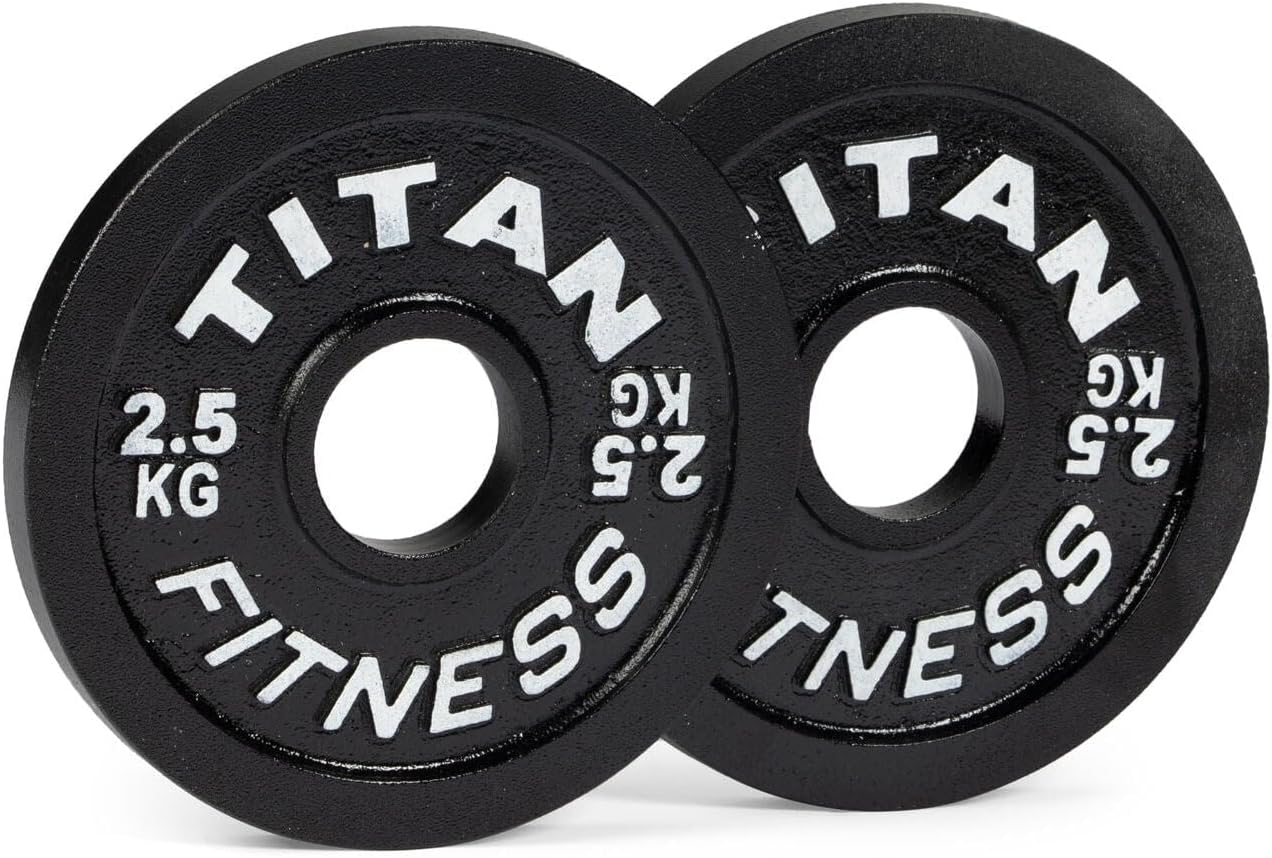
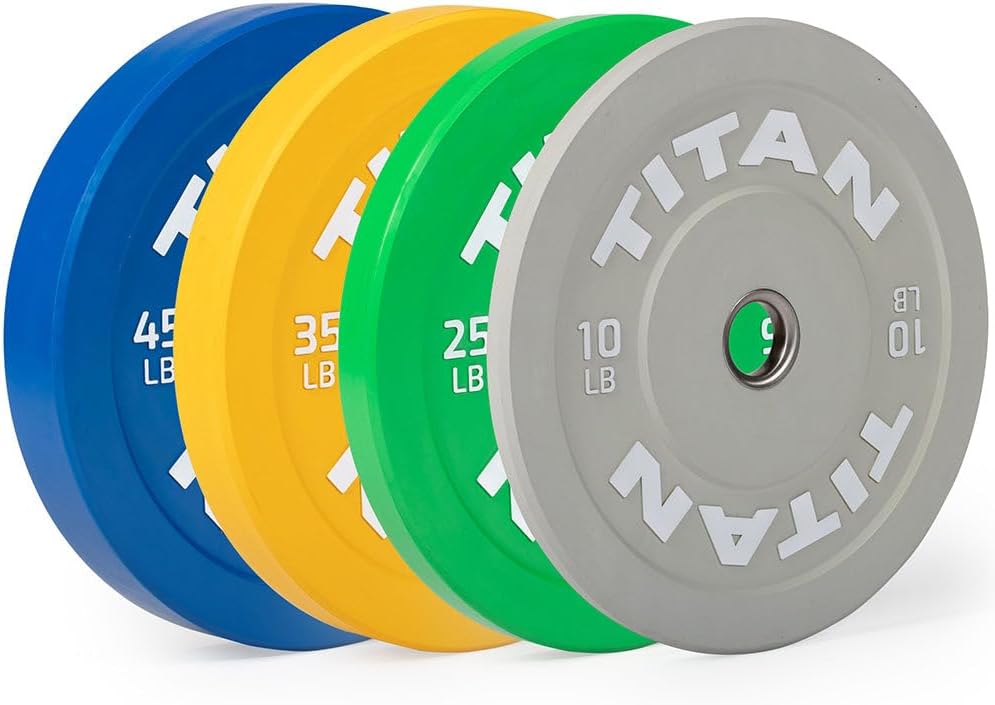
Bumper plates (thick rubber-coated) are built to be dropped, which matters for deadlifts, cleans, and any floor-based work where you're not lowering the bar under control every rep. Cast iron plates are cheaper per pound and take up less shelf space, but aren't rated for dropping and will damage flooring or the plates themselves if dropped repeatedly.
Calibrated plates hold tighter weight tolerances than standard gym plates, which mainly matters for competitive powerlifters tracking precise totals; for general home training, standard-tolerance plates are more than accurate enough and considerably cheaper.
Every listing in this category, priced via Amazon. No logins, no sponsors.
Yes, as long as the bore size matches your bar (2-inch for Olympic, 1-inch for Standard). Many lifters use iron for the bulk of the weight and bumpers on the outside so the bar can still be set down safely.
Not necessarily. If you're mainly squatting, benching, and doing controlled deadlifts, iron plates are cheaper and more space-efficient. Bumpers are worth it if you drop the bar from any height, including missed lifts.
Size your plate total to your eventual working max, not your current one; running out of plates mid-progression is one of the more common reasons lifters end up buying twice.
Nobody pays to be listed higher here. Some links are affiliate links, and we may earn a small commission if you buy, at no extra cost to you — that's what keeps this free.