Compare Pull-Up Bars & Rigs
Every listing in this category, priced via Amazon. No logins, no sponsors.
Equipment guide
Pull-up capability ranges from a $30 doorway bar to a multi-thousand-dollar rig with rings, bands, and multiple grip positions. Which end of that range makes sense depends mostly on how central bodyweight and calisthenics work is to your training.
Doorway and freestanding bars are the lowest-commitment option and need no permanent installation, which suits renters or anyone not ready to drill into a wall or ceiling. They're rated for lighter use and typically don't support banded or weighted pull-up attachments as well as mounted options.
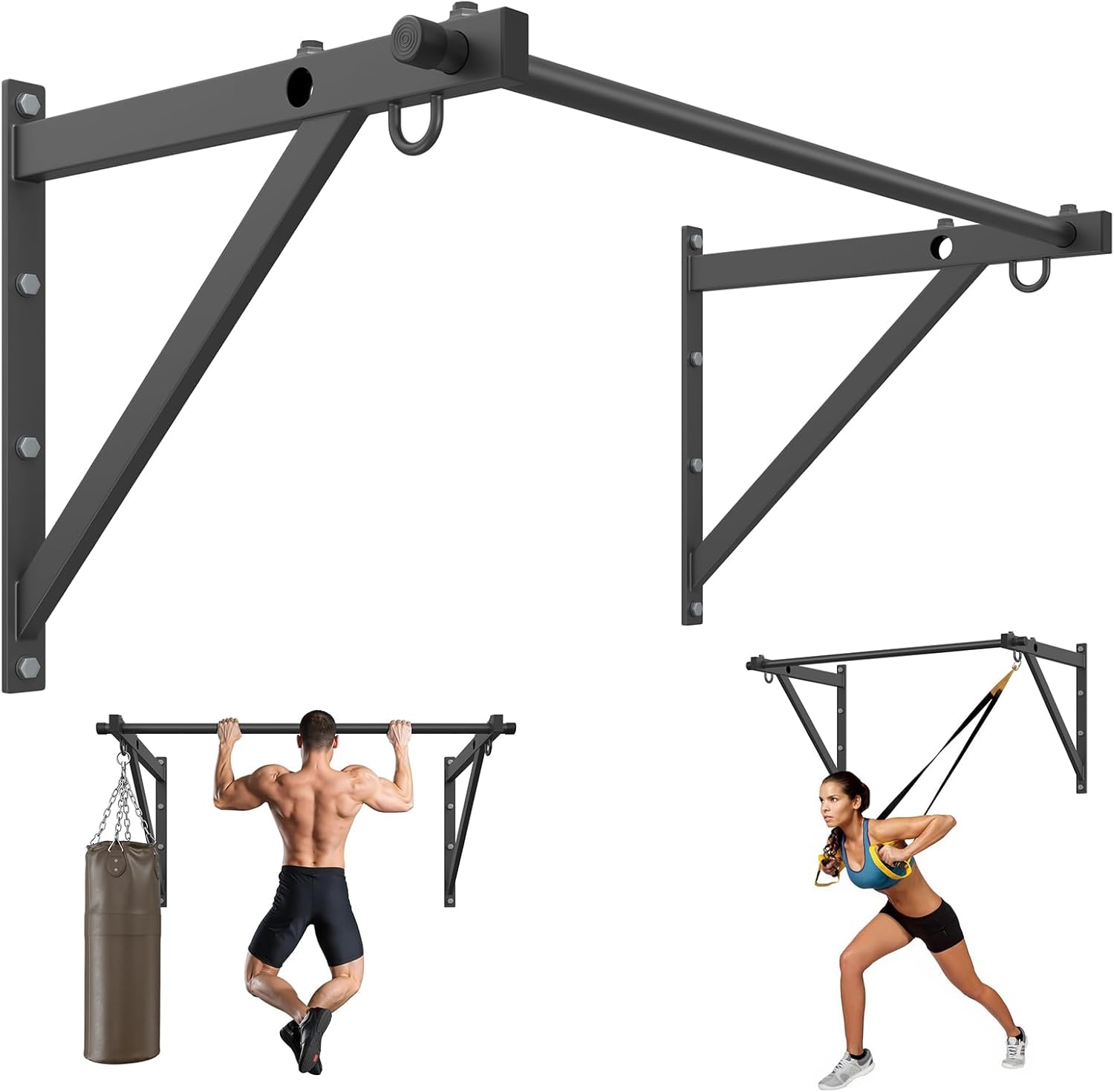
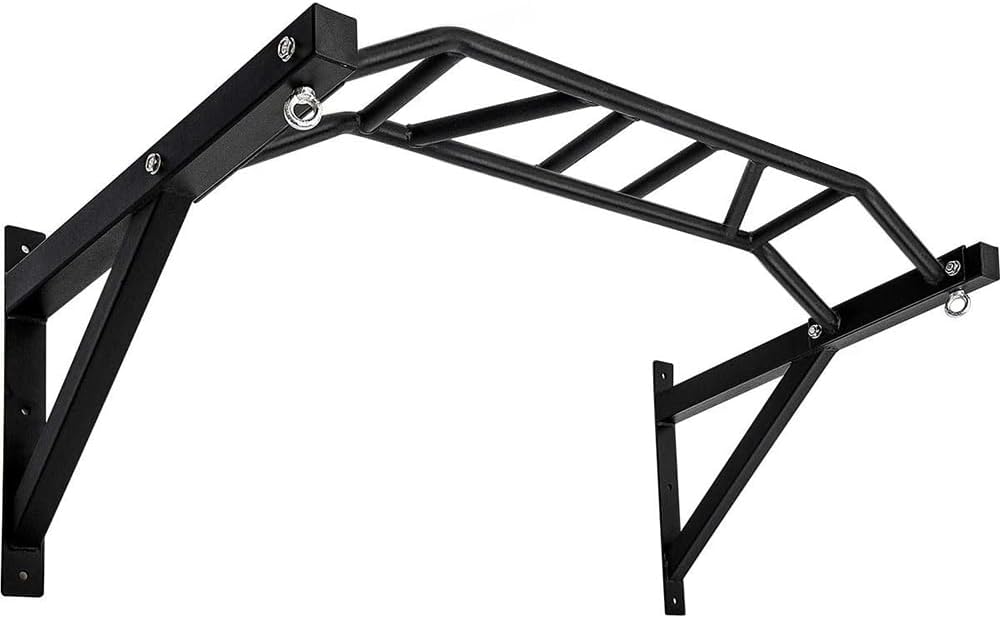
Wall or ceiling-mounted bars are the stronger, more permanent choice, and often the better fit if you already have a power rack, since many racks include a pull-up bar attachment rather than needing a separate mount.
Full rigs go further, adding multiple grip widths, ring and band anchor points, and sometimes dip bar attachments, which is worth it if calisthenics or CrossFit-style training is a primary focus rather than an accessory to barbell work.
Every listing in this category, priced via Amazon. No logins, no sponsors.
For bodyweight pull-ups within the bar's rated capacity, yes. If you plan to add resistance bands, a weight vest, or heavier loading over time, a wall-mounted or rack-integrated bar is the more durable choice.
Not necessarily; many power racks include a pull-up bar attachment across the top, which covers most home-gym needs without a second purchase. A separate or wall-mounted bar mainly makes sense if you want a dedicated station.
A pull-up bar is a single fixed bar for pull-ups and hangs. A rig adds multiple grip positions and anchor points for rings, bands, and sometimes dip bars, aimed at calisthenics or functional training rather than just pull-ups.
Nobody pays to be listed higher here. Some links are affiliate links, and we may earn a small commission if you buy, at no extra cost to you — that's what keeps this free.